My Expertise
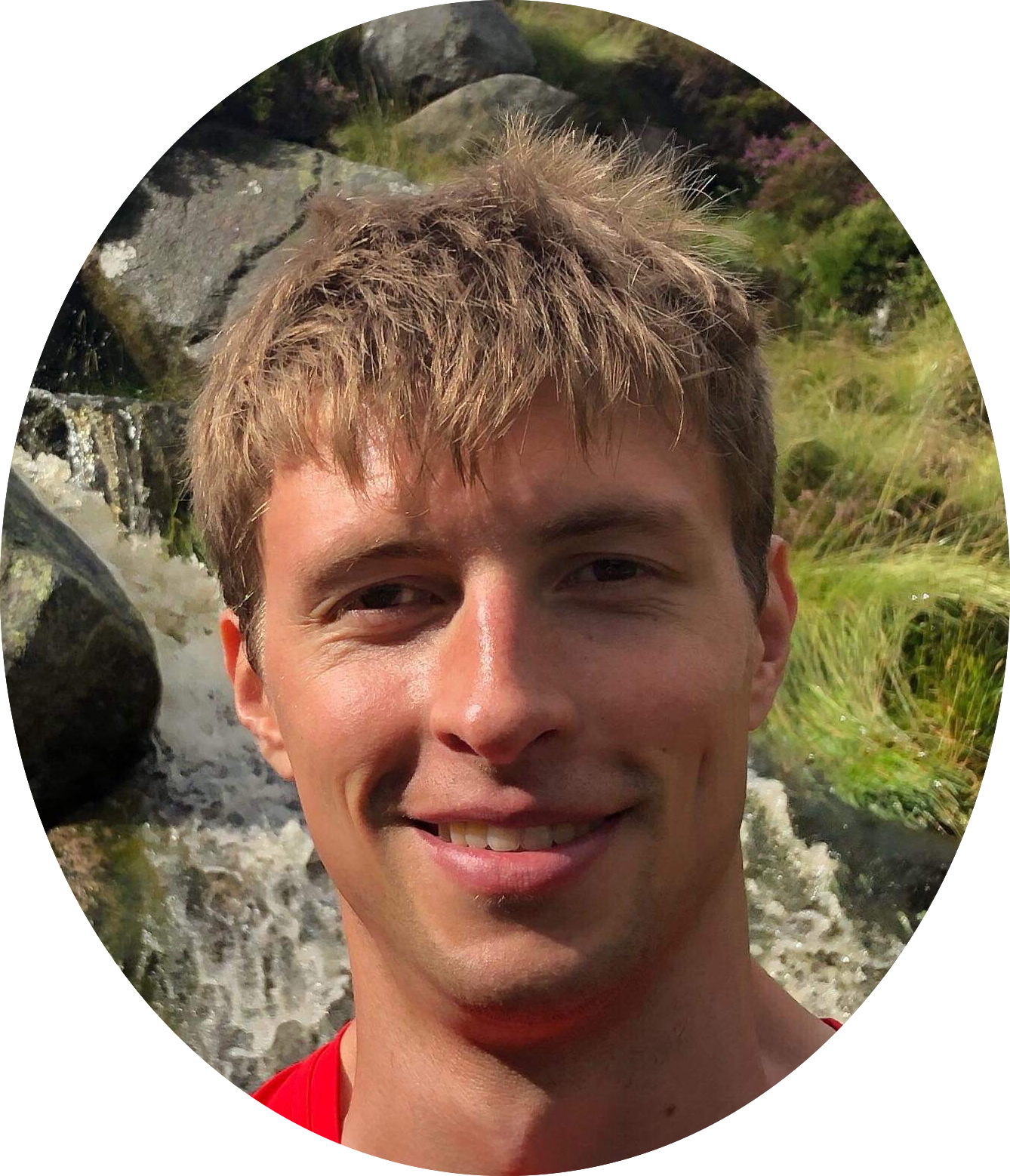
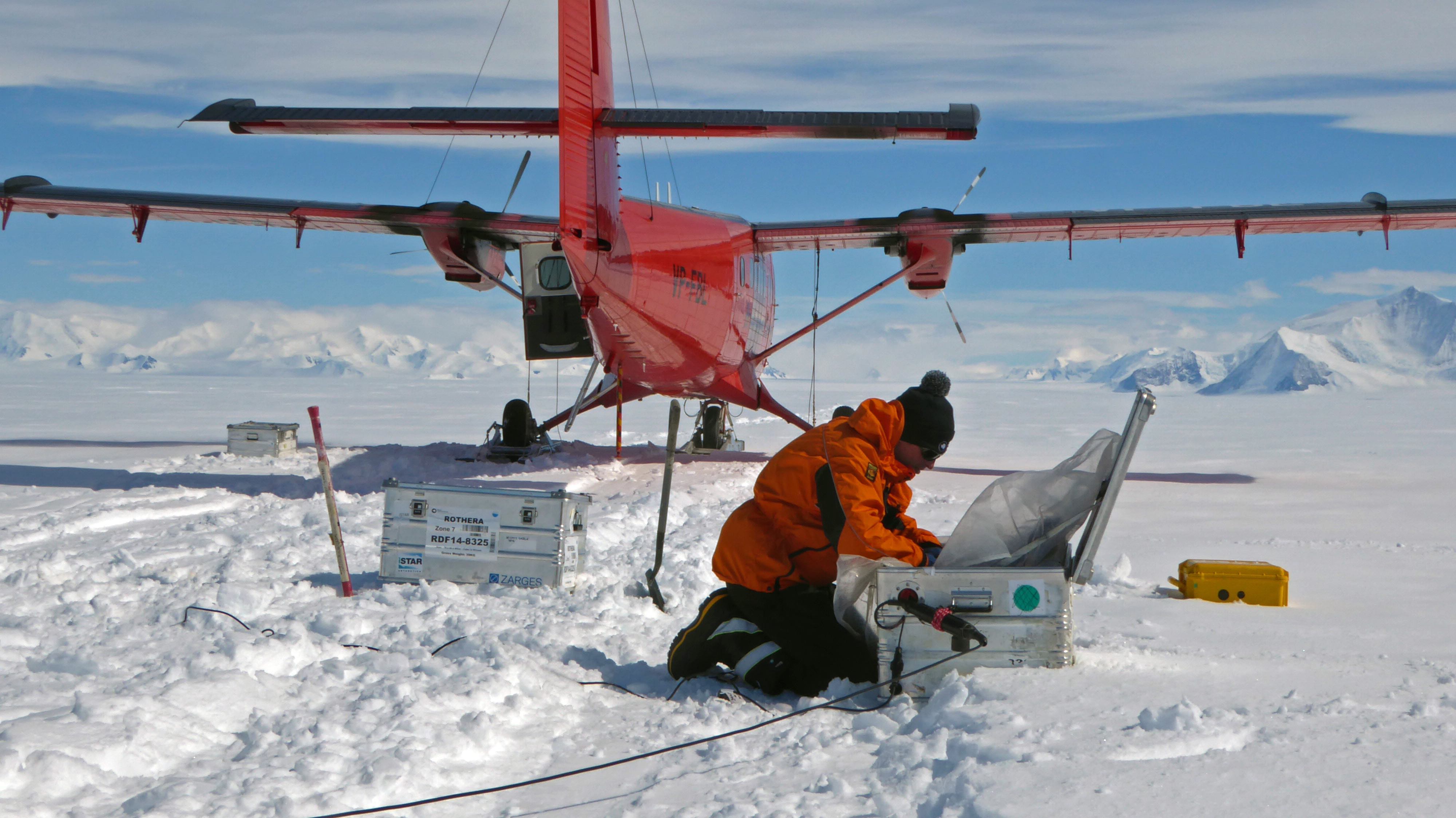
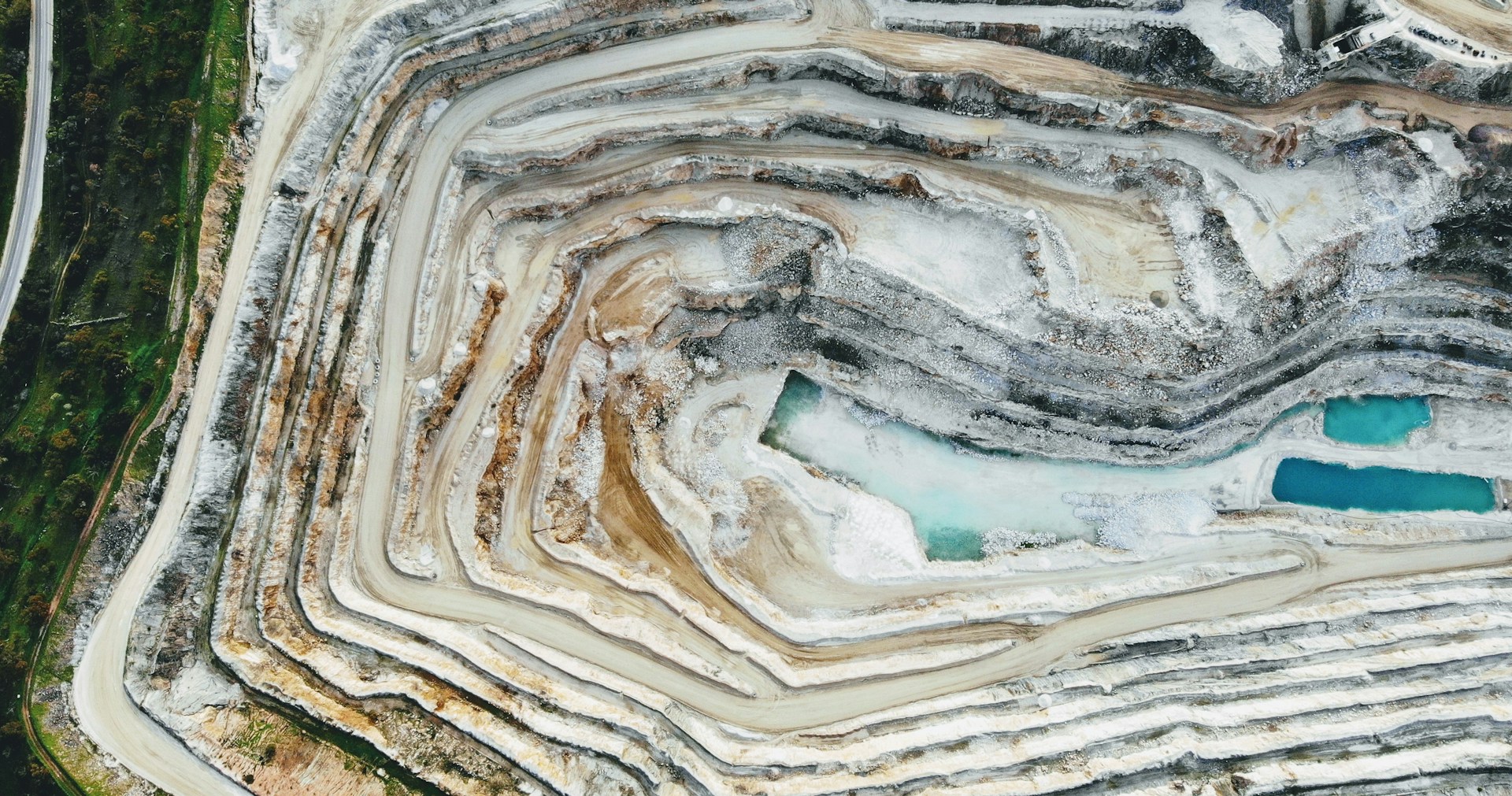
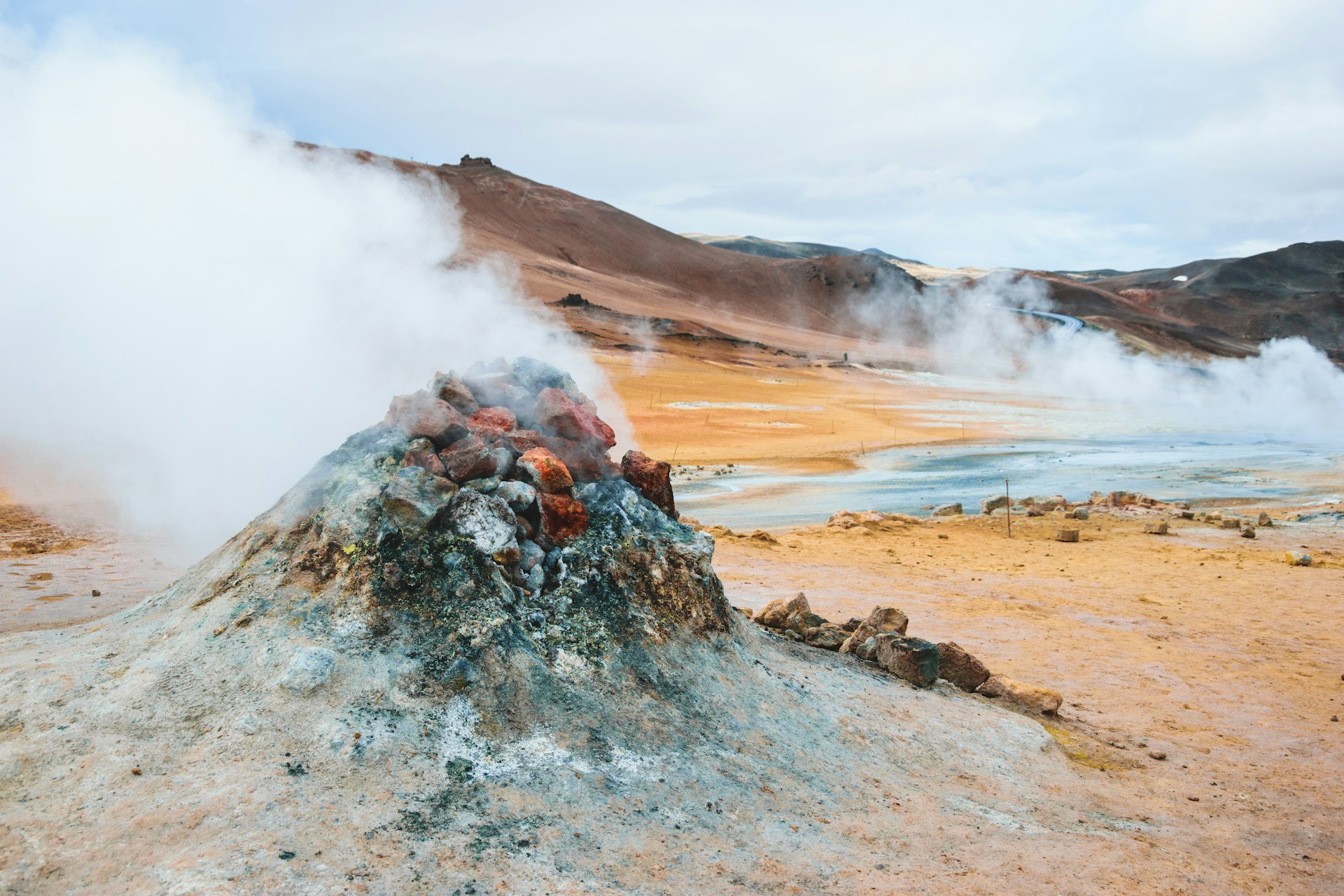
I lead a group focussed on Environmental and Resource Geophysics. I'm excited about how we can harness the power of nascent instrumentation and compute advances to shed light on environmental systems (e.g. glaciers) and resource exploration (particularly critical minerals). Originally a physicist/engineer, I am particularly passionate about the transfer of knowledge and expertise between academia and industry. Although the risks and motivations are different in each sector, we often face shared technical challenges that I believe are most efficiently overcome by close interaction with one another.
Work Experience
| 2026 - present | Department of Earth and Planetary Sciences, ETH Zurich, Switzerland Assistant Professor, Chair of Environmental and Resource Geophysics | |
| 2025 - 2026 | Fleet Space Technologies Ltd, Australia Senior Researcher | |
| 2024 - 2025 | Department of Earth and Planetary Sciences, ETH Zurich, Switzerland Senior Scientist (Oberassistent) and Lecturer | |
| 2022 - 2024 | Department of Earth Sciences, University of Oxford, UK Leverhulme Early Career Fellow | |
| 2023 - 2024 | St Cross College, Oxford, UK Junior Research Fellow | |
| 2022 - 2023 | Exeter College, Oxford, UK Stipendiary Lecturer | |
| 2020 - 2022 | Department of Earth Sciences, University of Oxford, UK Postdoctoral Research Associate | |
| 2019 - 2020 | Metrol Technology Ltd Research Scientist |
Education
| 2015 - 2019 | University of Cambridge and British Antarctic Survey, UK PhD in Earth Sciences (seismology) | |
| 2012 - 2015 | University of Durham, UK Master of Physics (MPhys) | |
| 2010 - 2012 | University of Bath, UK Mechanical Engineering |